Operations Leadership
Leading teams, managing changing priorities, improving execution, and keeping the bigger operational picture in view.
Operations + People + Technology
I’m an operations leader, entrepreneur, problem solver, and unapologetic tech nerd.
I’ve spent my career building businesses, leading teams, opening locations, solving operational problems, and learning how great organizations work from the ground up.
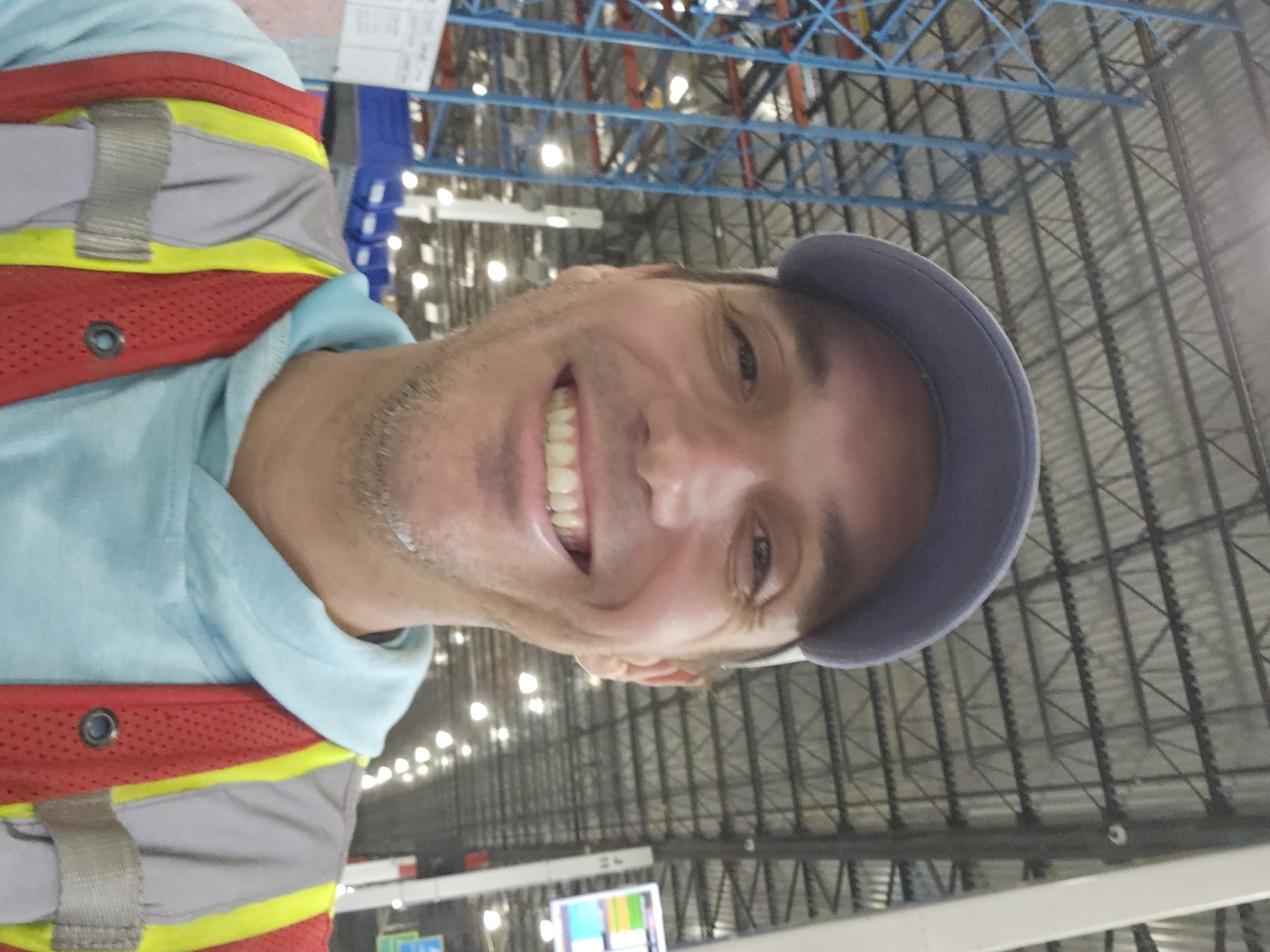 Relaxed, approachable, professional
Long before I worked in large-scale retail and warehouse operations, I was building businesses of my own.
I helped grow Alabama Precious Metals through the challenge of opening multiple locations and building the processes needed to support that growth. Later, I built Ram Tail from the ground up—taking an idea and turning it into a successful operating business.
Those experiences taught me lessons that are hard to learn from a textbook: how to make decisions when the answer isn’t obvious, how to earn trust, how to manage people and resources, and how small operational choices can have a major impact.
Over the past five years, I’ve added another perspective by working inside one of the world’s most operationally disciplined retailers, gaining hands-on experience in both retail store operations and warehouse operations.
“I’m at my best when there’s a complicated problem in front of me, a team that needs direction, or a process everyone knows could work better.”
What I bring
Leading teams, managing changing priorities, improving execution, and keeping the bigger operational picture in view.
I’ve had my own money, reputation, customers, employees, and decisions on the line. That changes how you think about cost, speed, ownership, and accountability.
I understand workflows well enough to spot friction—and technology well enough to prototype tools that make the work simpler.
I don’t stop at identifying what’s broken. My next question is usually, “Okay, how do we fix it?”
Things I’ve built
These examples are intentionally anonymized. They represent the kinds of systems, workflows, and dashboards I’ve designed to make real-world operations easier to manage.
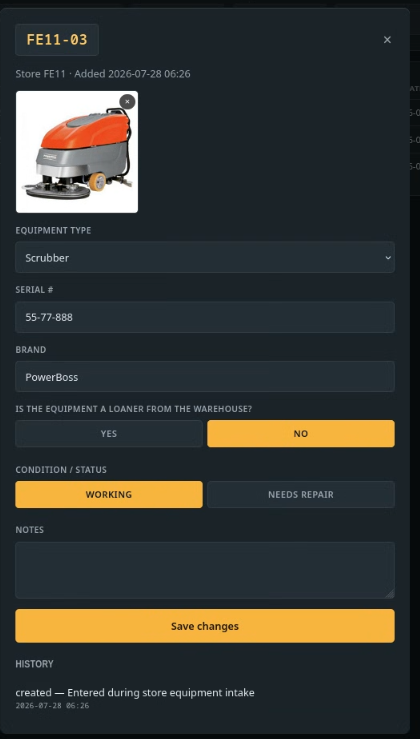
The problem: Equipment moves through multiple departments and can become difficult to locate, track, or maintain.
What I built: A mobile-first QR inventory system that records identity, location, department, status, and scan history.
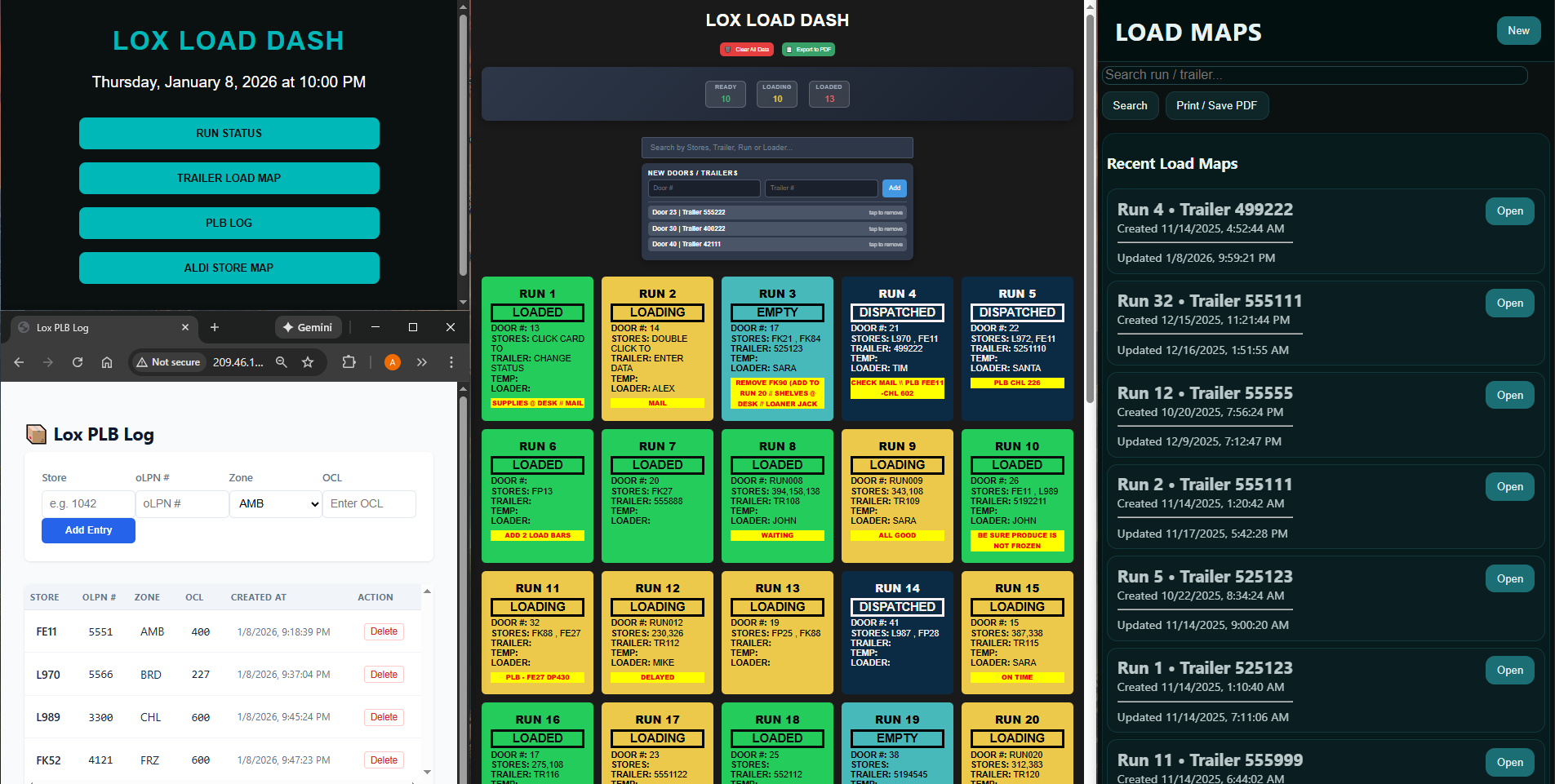
The problem: Important operational information was spread across several tools and screens.
What I built: A centralized dashboard combining live status, workflow tools, alerts, and key information into one interface.
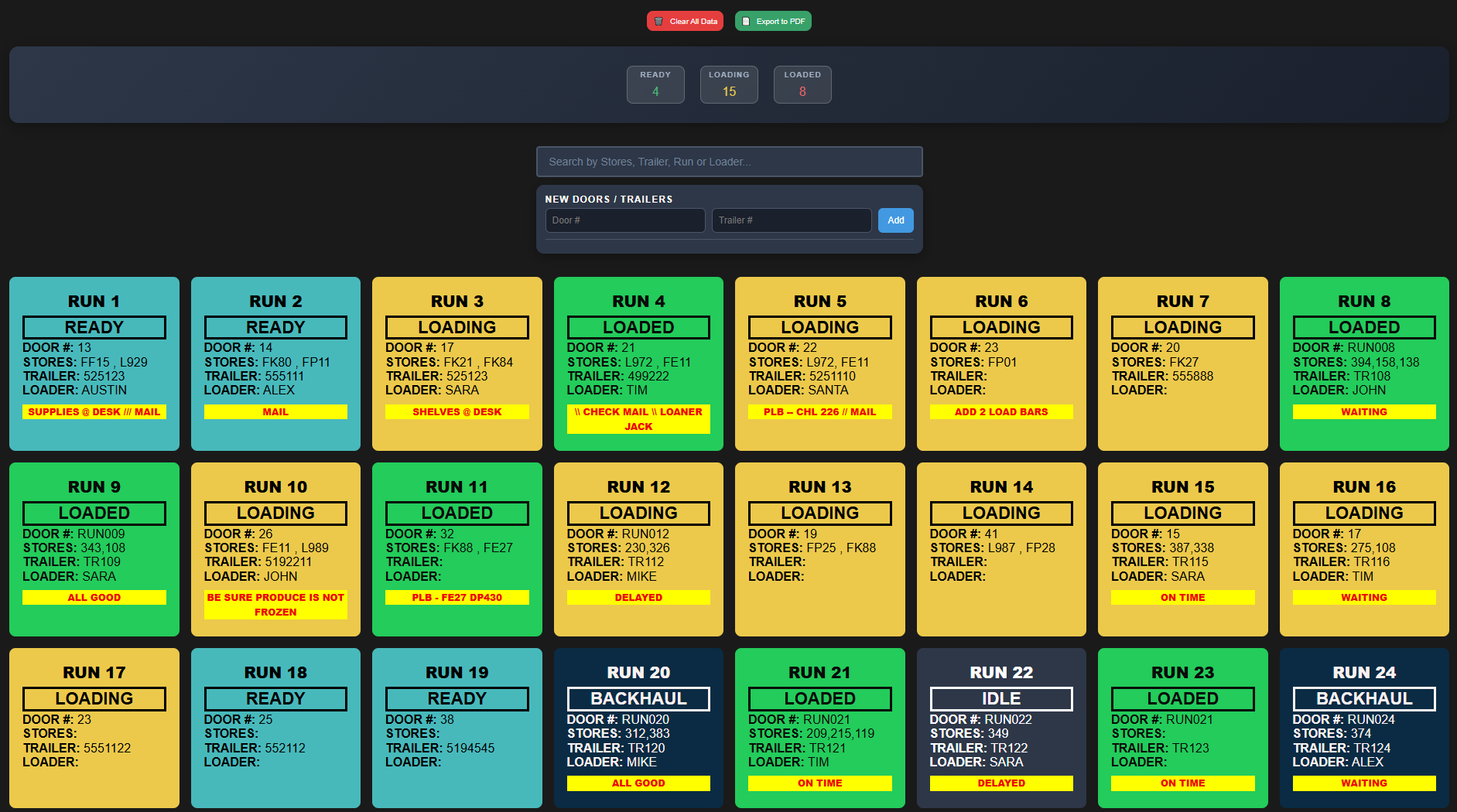
The problem: Fast-paced loading environments require clear, simple visibility into status, assignments, and exceptions.
What I built: Lightweight digital tools for tracking runs, loading progress, exceptions, and handoffs across a shift.
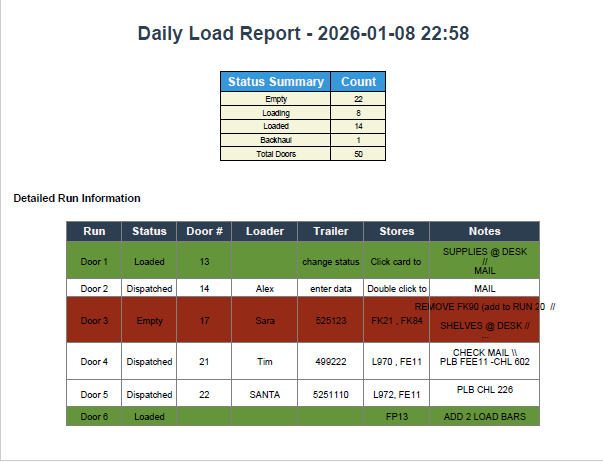
The problem: Paper notes and scattered spreadsheets make trend analysis and accountability difficult.
What I built: Searchable digital logs with structured data, timestamps, exports, filters, and history designed around the real workflow.
How my brain works
Find the repetitive, confusing, slow, or manual part of the process.
Talk to the people actually doing it and learn what matters in the real world.
Separate what is truly necessary from what is just “how we’ve always done it.”
Sometimes it’s a process. Sometimes it’s training. Sometimes it’s software.
Watch people use it, listen, adjust, and keep making it more useful.
Outside of work

A lot of time around the water, weather, and the outdoors.
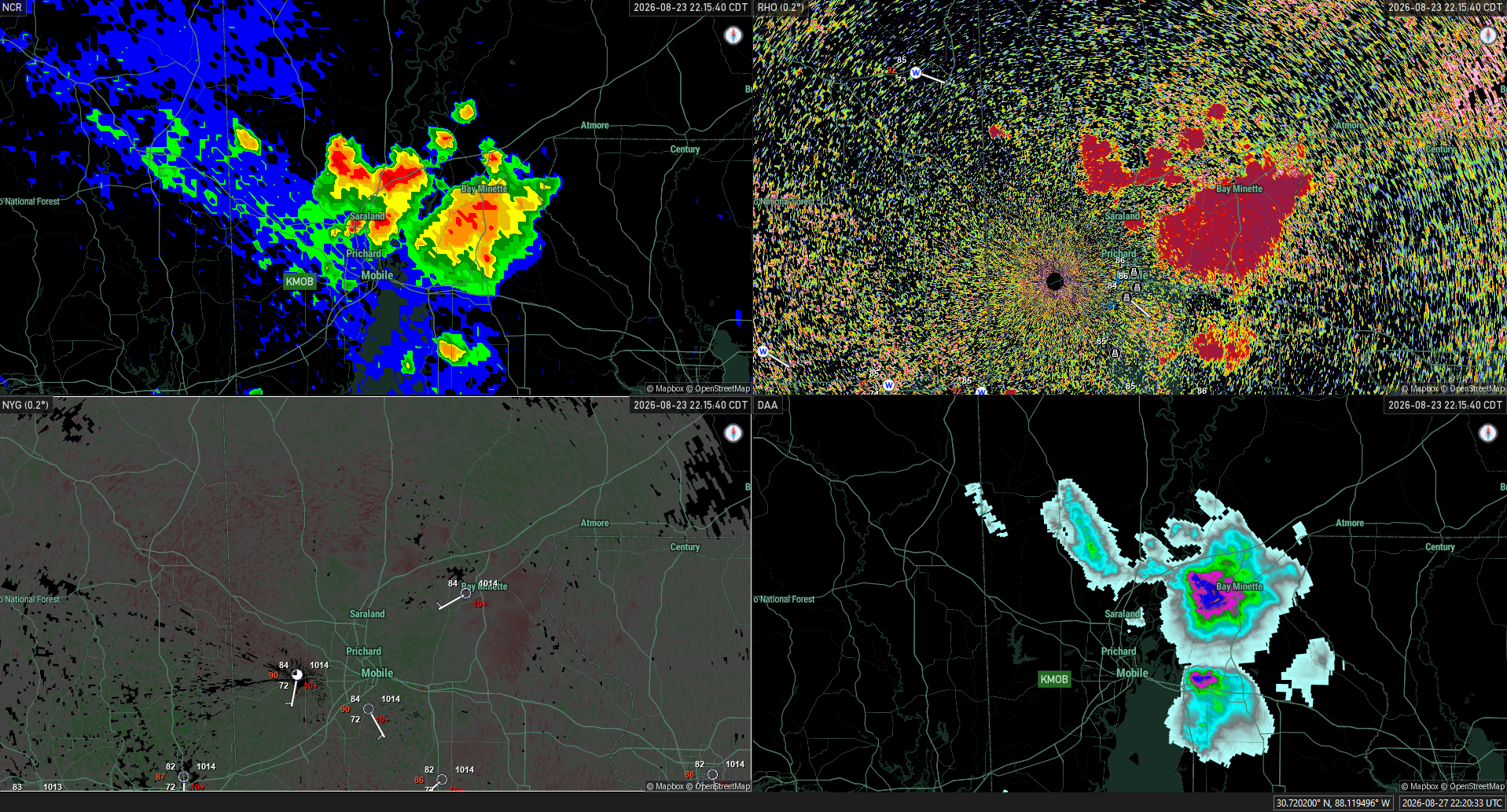 Weather Photo
Part hobby. Part obsession.
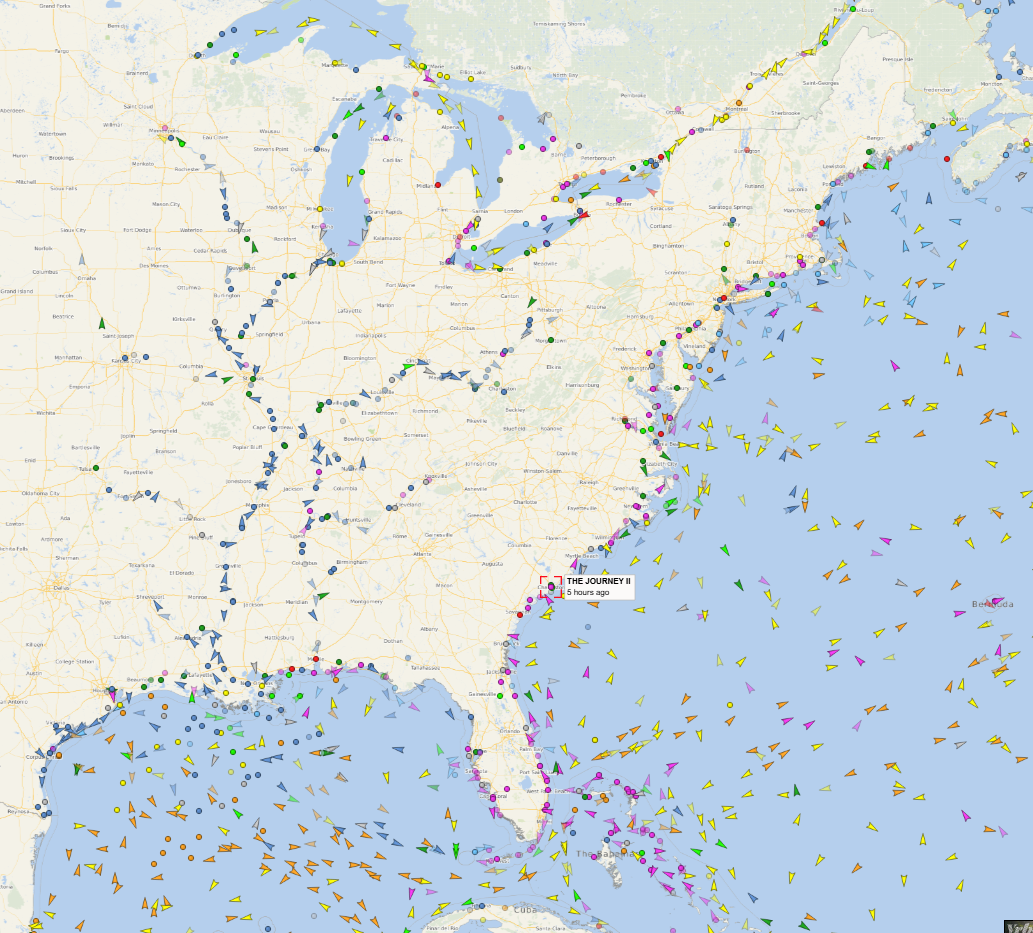 Maps / GIS Photo
I like understanding why things happen where they do.
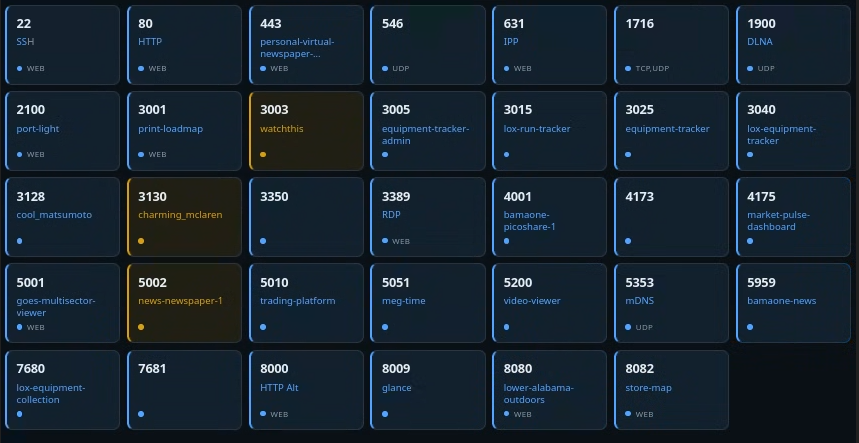 Tech Photo
Servers, networking, Linux, web apps, hardware, and figuring out things I probably don’t technically need to figure out.
 History Photo
Especially Gulf Coast and Alabama history.
Let’s talk
If you’re hiring for an Operations Supervisor, Logistics Manager, Warehouse Operations Manager, or a role where strong operations leadership and technical curiosity are an advantage, I’d like to hear from you.
Replace the email and LinkedIn link before publishing.